

Dr. Gabriel Cubillos Addresses Childhood and Teen Obesity: Causes, Home Warning Signs, and Family Strategies

Gabriel Cubillos
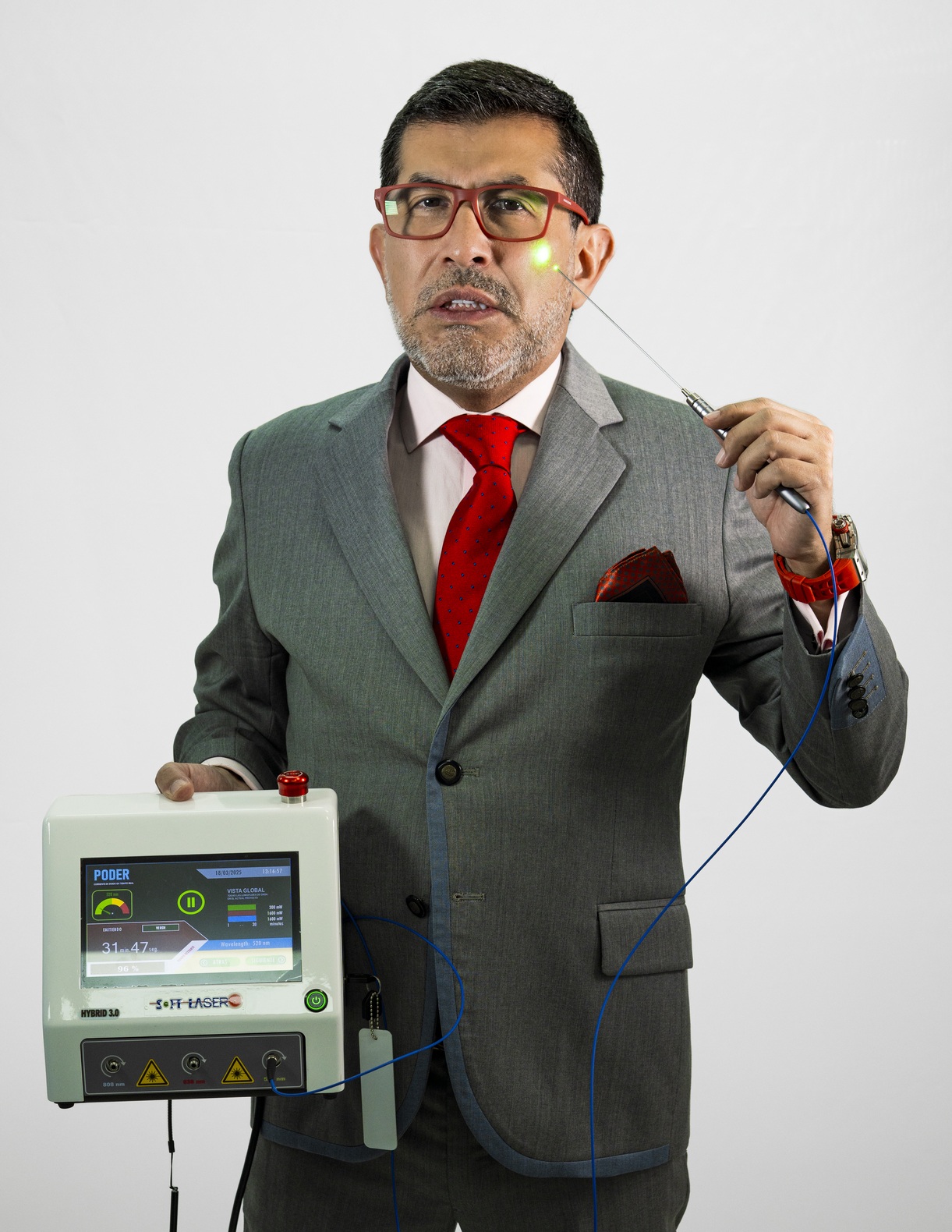
Gabriel Cubillos

Gabriel Cubillos

Gabriel Cubillos

Gabriel Cubillos
Dr. Gabriel Cubillos explains key causes behind rising child and teen obesity and shares home-based steps for prevention and early action.
BOGOTá , CUNDINAMARCA, COLOMBIA, February 11, 2026 /EINPresswire.com/ -- Childhood and adolescent obesity is increasingly viewed by clinicians as one of the most urgent, preventable health challenges facing families today. Beyond body weight alone, pediatric excess weight is associated with earlier onset of cardiometabolic risk factors, reduced physical fitness, sleep problems, psychosocial stress, and a higher probability that obesity will persist into adulthood. Dr. Gabriel Cubillos, a Colombian physician and surgeon with more than three decades of clinical experience in obesity-related care and healthy aging, says families need clearer, more realistic guidance—focused on early warning signs, daily routines, and supportive home environments rather than shame or extreme dieting.
“Parents are not failing,” Dr. Cubillos said. “They are raising children in a world that has changed dramatically—food availability, screen time, stress levels, sleep patterns, and marketing pressures. Childhood obesity is rarely about a lack of willpower. It’s about systems, habits, and environment. Families need tools they can actually use at home.”
Dr. Cubillos, founder and Scientific Director of Clínica Obesidad y Envejecimiento with operations in Bogotá and Mexico City, emphasizes that the most effective approach is early detection plus consistent family routines, supported by pediatric evaluation when warning signs appear. He also cautions against framing a child’s health around appearance. “When the conversation becomes ‘your body is wrong,’ children can develop anxiety, secrecy around food, or disordered eating,” he said. “The goal is health: energy, sleep, movement, and confidence.”
Why childhood and teen obesity is rising now: the current drivers
Clinicians point to a combination of factors that have converged in recent years. Dr. Cubillos highlights six drivers that commonly show up in real-world family life:
1) Ultra-processed food as the default
Many households now rely heavily on ultra-processed foods due to affordability, convenience, school schedules, and aggressive marketing. These foods are often calorie-dense and engineered for high palatability, which can make portion control challenging—especially for children whose hunger and satiety cues are still developing.
“Families aren’t choosing poorly because they don’t care,” Dr. Cubillos said. “They’re choosing what is available, what is fast, what their children will accept, and what fits a busy week. That’s why small, practical changes matter more than perfect rules.”
2) Sugary beverages and “hidden calories”
A common and often underestimated contributor is daily intake of sweetened beverages: sodas, flavored juices, sweetened teas, energy drinks, and specialty coffees. These add calories quickly and can become normalized as a routine. Dr. Cubillos notes that in adolescents, energy drinks and sweetened coffees can also disrupt sleep—worsening appetite regulation.
3) Less movement built into daily life
In many cities, fewer children walk to school, play outside freely, or engage in spontaneous physical activity. Safety concerns, homework load, and screen-based entertainment reduce daily movement. Organized sports can help, but many families face cost, transportation, or time barriers.
“Children don’t need to become athletes,” Dr. Cubillos said. “They need consistent movement—built into normal life, not only scheduled as a special event.”
4) Sleep disruption and chronically late schedules
Sleep is a major—and underappreciated—piece of pediatric weight regulation. Many children and teens sleep less than recommended due to screens, late homework, social media, and irregular routines. Inadequate sleep is associated with increased appetite, cravings for high-calorie foods, and reduced impulse control.
5) Stress, anxiety, and emotional eating
Academic pressure, social comparison, bullying, and family stress can contribute to emotional eating and sedentary behavior. Dr. Cubillos notes that food often becomes a comfort strategy when emotional support and coping tools are missing.
6) Family patterns and genetics—without fatalism
Genetics can influence appetite, metabolism, and how bodies store fat, but Dr. Cubillos cautions against treating genetics as destiny. “Genetic risk is real,” he said. “But the environment can amplify or reduce that risk. Families should not feel doomed; they should feel informed.”
What families should watch for: early alerts at home
A key challenge is that many parents and caregivers do not recognize early warning signs until weight gain becomes significant—or until a pediatrician flags concerns. Dr. Cubillos encourages families to watch for functional and behavioral clues, not just changes on a scale.
Practical home alerts include:
Rapid changes in clothing size over a short period, especially if activity has decreased.
Increased fatigue, low stamina, or avoiding physical play.
Shortness of breath or joint discomfort with normal movement.
Sleep problems: snoring, restless sleep, daytime sleepiness, or chronic late bedtime.
Frequent cravings for sugary foods, constant snacking, or eating in secrecy.
Mood changes: irritability, sadness, social withdrawal, or increased screen dependence.
Body-image distress or comments about feeling “bad” or “ashamed” about eating.
“Children rarely say, ‘I’m gaining weight and I’m worried,’” Dr. Cubillos said. “They show it through behavior—less movement, more isolation, sleep disruption, and changes in eating patterns. If you notice multiple signs, it’s time to act calmly, without panic.”
He also recommends paying attention to the family system: Are meals rushed and unstructured? Is sleep inconsistent? Are screens used as the primary coping tool? Are healthy options available and appealing? The most effective interventions often begin with the environment, not the child.
How to talk about weight without harm: language matters
One reason childhood obesity is difficult to address is fear of hurting a child’s self-esteem. Dr. Cubillos argues that this fear is valid—and manageable—if families focus on health behaviors rather than body size.
Communication principles he recommends:
Avoid labels: “fat,” “lazy,” “undisciplined,” or “you need to stop eating.”
Use health-based framing: energy, strength, sleep, focus, mood, and confidence.
Make it a family project: “We’re improving our routines together.”
Never use food as punishment or a moral test (“good food” vs “bad child”).
Do not weigh children at home repeatedly if it increases anxiety or obsession.
Listen first: teens especially may be dealing with bullying or stress.
“The goal is to protect both physical health and mental health,” Dr. Cubillos said. “If a child feels attacked, they may hide eating or resist help. If a child feels supported, they are more likely to participate.”
Family strategies that are realistic and sustainable
Dr. Cubillos emphasizes that the best strategies are consistent, simple, and repeatable, even for busy families. Below are approaches he recommends as a starting framework—meant to be adapted to each household’s culture, budget, and schedule.
1) Rebuild the home food environment, gradually
Rather than attempting a sudden “diet overhaul,” he suggests a staged approach:
Ensure water is easy and visible: cold water bottle in the fridge, refill routine.
Reduce sweetened beverages at home; reserve them for occasional contexts.
Add one dependable, healthy snack option that children accept (e.g., fruit + yogurt, nuts if appropriate, cheese, whole-grain sandwich).
Keep protein and fiber present at meals to reduce constant hunger.
Use “default meals” for busy days: two or three quick, repeatable meals that are balanced.
“Children do better with predictability,” Dr. Cubillos said. “If the home defaults to structured meals and simple snacks, the battle decreases.”
2) Set an “after-school routine” instead of unlimited grazing
After school is a high-risk window: children are hungry, tired, and likely to snack while on screens. A simple routine can reduce overeating:
Planned snack + water
Short movement break (10–20 minutes)
Homework block
Screen time only after movement and snack
This reduces “mindless eating” while gaming or scrolling.
3) Protect sleep like a health intervention
Dr. Cubillos describes sleep as a “metabolic stabilizer.” He recommends:
A consistent bedtime and wake time (even on weekends, within reason)
Screens off 45–60 minutes before bed when possible
Caffeine limits, especially in adolescents
A calming pre-sleep routine: shower, reading, low light
“If you fix sleep, you often see better appetite control and better mood within weeks,” he said.
4) Make movement normal—not a punishment
Instead of “exercise to lose weight,” he advises making movement social and routine:
Family walks after dinner
Weekend activity plans (parks, bike rides, dancing at home)
Short daily movement blocks (10 minutes counts)
Encourage non-competitive movement for children who dislike sports
“Movement should feel like a normal part of life, not a penalty,” Dr. Cubillos said.
5) Reduce screen time by replacing it, not banning it
Abrupt screen bans often fail. He recommends:
Screen-free meals
Screen-free bedrooms at night (or charging devices outside)
Replacing one screen block with a specific alternative: walk, game, hobby, cooking
Using timers and predictable schedules rather than constant negotiation
6) Address emotional eating with skills, not shame
For children and teens eating due to stress, the solution is not stricter control—it is building alternatives:
Teach simple coping skills: breathing exercises, journaling, music, calling a friend
Identify triggers: boredom, loneliness, anxiety, conflict
Maintain open conversation without interrogation
Consider professional support if anxiety or depression is present
“Food is often used as comfort,” Dr. Cubillos said. “Families should ask: what discomfort are we trying to soothe?”
When to seek medical evaluation: a practical guide
Dr. Cubillos recommends seeking pediatric or family-medical evaluation when:
Weight gain is rapid or persistent over several months
The child’s sleep is disrupted (including snoring)
There is strong family history of diabetes, hypertension, or metabolic disease
The teen shows fatigue, mood changes, or social withdrawal
Eating behaviors become secretive, compulsive, or distressing
A clinician may evaluate growth patterns, screen for metabolic markers when indicated, and rule out rare endocrine causes. Dr. Cubillos stresses that medical evaluation should be supportive, not punitive.
“A good medical team doesn’t blame families,” he said. “It clarifies risks, builds a plan, and supports the child’s development.”
Adolescents: the most sensitive stage—and the most strategic opportunity
Adolescence is uniquely complex because it includes puberty-related changes, rising independence, and intense social comparison. Teens also have more access to money, fast food, delivery apps, and peer-driven eating patterns. Dr. Cubillos advises parents to shift from “control” to “structure + collaboration.”
Strategies that often work better with teens:
Invite them into planning: “Help us design a routine that works for you.”
Focus on performance goals: energy, sports endurance, skin health, mood, sleep
Avoid public comments about weight or portions
Encourage consistent breakfast and protein at meals
Teach label reading and simple cooking skills
Address mental health openly, without stigma
“Teenagers resist being managed,” Dr. Cubillos said. “But they respond to being respected, included, and guided.”
Schools and community: families should not carry this alone
While home routines matter, Dr. Cubillos notes that schools, neighborhoods, and public policy shape daily health choices. He encourages schools and local leaders to prioritize:
Accessible physical activity spaces
Healthy school meal options
Limits on sugary beverage marketing
Health education that avoids body-shaming
Mental health support and anti-bullying initiatives
“Parents can do a lot,” he said. “But children live in a wider environment. Communities must support healthier defaults.”
What success looks like: progress, not perfection
In childhood and adolescence, success is not always measured by rapid weight loss. Dr. Cubillos says better markers include:
Improved sleep and energy
Increased stamina and daily movement
More stable eating patterns
Reduced cravings for sugary drinks
Improved mood and confidence
Better lab markers when monitored clinically
“For children, the goal is often to normalize growth trends and build habits that protect health over time,” he said. “Healthy development is the priority.”
A public message: early action prevents harder outcomes
Dr. Cubillos concludes with a message intended to reduce stigma and increase action. “The earlier families act, the easier it is,” he said. “Not because children must be ‘fixed,’ but because habits are more flexible early on. The goal is to prevent complications—physical and emotional—by creating supportive routines.”
He adds that families should not wait for a crisis. “If you see the signs, start with one or two changes: sleep and beverages, or structured snacks and movement,” he said. “Momentum matters. And when in doubt, seek professional guidance that protects the child’s dignity.”
About Dr. Gabriel Cubillos
Dr. Gabriel Cubillos is a Colombian physician and surgeon with more than 30 years of clinical experience in obesity-related care and healthy aging, and founder and Scientific Director of Clínica Obesidad y Envejecimiento with operations in Bogotá and Mexico City. His work emphasizes structured assessment, patient safety, and long-term follow-up, with a focus on building sustainable health pathways.
Dr Gabriel Cubillos
Dr Gabriel Cubillos
+57 322 223 7493
email us here
Visit us on social media:
Instagram
Facebook
Legal Disclaimer:
EIN Presswire provides this news content "as is" without warranty of any kind. We do not accept any responsibility or liability for the accuracy, content, images, videos, licenses, completeness, legality, or reliability of the information contained in this article. If you have any complaints or copyright issues related to this article, kindly contact the author above.
